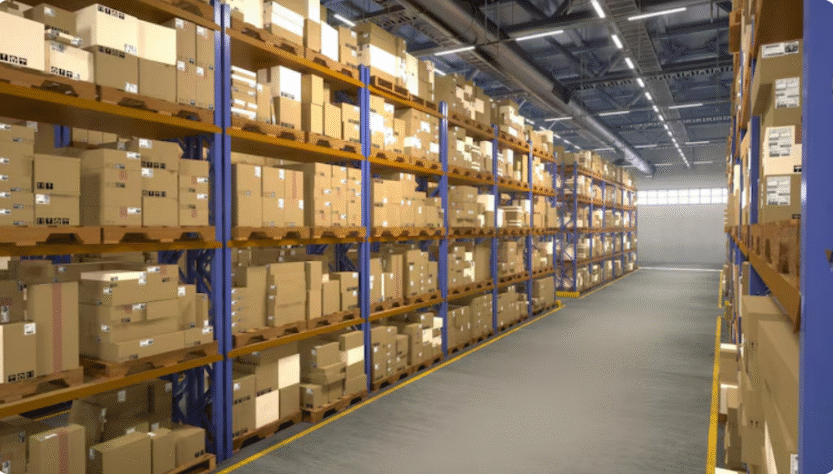
Finding the right storage solution is a strategic decision that directly affects cost efficiency, asset protection, and long-term convenience. Whether we are managing household transitions, business inventory, seasonal equipment, or personal valuables, choosing the right storage unit requires precision, clarity, and informed judgment. The right facility safeguards belongings while offering flexibility and accessibility that align with real-world needs.
The storage market has expanded rapidly, introducing a wide range of options that vary in security standards, pricing models, location advantages, and unit specifications. With so many variables, selecting the best storage unit near us demands a structured approach that eliminates guesswork and prioritizes value. A well-chosen storage unit simplifies logistics, reduces stress, and protects assets over time.
We approach this decision with a clear objective: to secure a storage unit that balances affordability, security, accessibility, and scalability. Each factor must be evaluated not in isolation, but as part of a cohesive strategy that supports both immediate and future requirements. This ensures that storage becomes an asset rather than an ongoing complication.
In locations where demand is high, such as regional hubs and city centers, options like affordable storage units at Ballarat Central demonstrate how competitive pricing and strategic placement can coexist. Evaluating such options with a disciplined framework allows us to identify solutions that deliver measurable benefits without compromising on quality or reliability.
1. Define Storage Requirements with Precision
Before selecting any facility, we establish a clear understanding of what needs to be stored, how long it will be stored, and how often access is required. Storage needs vary widely, from short-term household overflow to long-term archival storage for business records. Accurately assessing volume, item sensitivity, and access frequency prevents overpaying for unused space or underestimating essential features.
We categorize stored items by size, fragility, and environmental sensitivity. Furniture, electronics, documents, and seasonal items each demand different storage conditions. This level of clarity allows us to select the most appropriate unit size and feature set, eliminating inefficiencies from the outset.
2. Prioritize Location and Accessibility
Location directly impacts convenience, time savings, and overall usability. A storage unit near major roads or close to home or business premises reduces transport costs and simplifies repeated access. We assess proximity not just in distance, but in travel efficiency, including traffic patterns and ease of entry.
Accessibility also extends to facility operating hours. Extended or 24/7 access provides flexibility, particularly for businesses or individuals with unpredictable schedules. Facilities that offer seamless entry systems and wide loading areas significantly improve the storage experience.
3. Evaluate Security Infrastructure Thoroughly
Security is a non-negotiable criterion. We examine storage facilities for multi-layered security systems that protect assets at all times. Key indicators include perimeter fencing, controlled gate access, high-resolution surveillance cameras, and on-site management.
A secure storage unit minimizes risk exposure and provides peace of mind. We prioritize facilities that demonstrate proactive security management rather than reactive measures, ensuring consistent protection regardless of occupancy levels or external conditions.
4. Compare Pricing Structures Transparently
Pricing models vary significantly across providers. We analyze rental rates alongside contract terms, promotional offers, and potential fee escalations. Transparent pricing with clear terms ensures predictability and protects against unexpected cost increases.
We assess value rather than headline pricing alone. A competitively priced unit that includes security, accessibility, and maintenance often delivers superior long-term value compared to lower-cost options with hidden limitations. Flexibility in lease terms further enhances financial efficiency.
5. Choose the Right Unit Size and Configuration
Selecting the correct unit size is essential for cost control and usability. We avoid paying for unused space by accurately matching unit dimensions to storage volume. Many facilities offer size guides or on-site consultations that assist in this process.
Configuration also matters. Ground-level units, drive-up access, and wide door openings simplify loading and unloading. Climate-controlled units provide additional protection for temperature-sensitive items, ensuring longevity and condition preservation.
6. Inspect Facility Cleanliness and Maintenance Standards
A well-maintained facility reflects operational excellence and attention to detail. We inspect storage units for cleanliness, pest control measures, and structural integrity. Clean environments protect stored items from contamination and deterioration.
Maintenance standards also indicate how a facility manages long-term operations. Regular upkeep, clear signage, and responsive staff signal reliability and professionalism, reinforcing confidence in the storage provider.
7. Review Reputation and Customer Experience
Reputation provides valuable insight into real-world performance. We analyze customer feedback to assess service consistency, issue resolution, and overall satisfaction. Patterns in reviews often reveal strengths and weaknesses that are not immediately visible during initial inspections.
Facilities with strong reputations typically demonstrate transparent communication, fair policies, and customer-focused service. These qualities translate into smoother interactions and a more dependable storage experience over time.
Additional Considerations for Long-Term Storage Success
Beyond the core selection criteria, we consider additional factors that enhance storage efficiency. Insurance coverage, for example, protects against unforeseen events and complements facility security measures. Understanding insurance options ensures comprehensive risk management.
We also evaluate scalability. As storage needs evolve, the ability to upgrade or downsize units without disruption adds strategic flexibility. Facilities that accommodate growth or reduction without penalties provide long-term adaptability.
Strategic Benefits of Choosing the Right Storage Unit
A well-chosen storage unit delivers tangible benefits across personal and professional contexts. It optimizes space utilization, reduces clutter, and supports operational efficiency. For businesses, reliable storage enhances inventory management and workflow continuity.
From a financial perspective, strategic storage decisions prevent unnecessary expenses and protect asset value. Over time, these advantages compound, reinforcing the importance of a methodical and informed selection process.
Conclusion: Make Storage a Strategic Advantage
Finding the best storage unit near us is not a casual decision; it is a strategic investment in security, efficiency, and peace of mind. By defining requirements clearly, prioritizing location and security, and evaluating pricing and reputation with discipline, we position ourselves for long-term success.
When approached systematically, storage becomes a seamless extension of our space management strategy rather than a logistical burden. The right facility supports our goals, adapts to changing needs, and delivers consistent value over time.